When Julia nearly dies during childbirth, she expects her husband to be her rock during recovery. Instead, he becomes distant and starts disappearing every night after seeing their newborn daughter’s face. What could possibly drive a new father to abandon his family when they need him most?
I almost died bringing my daughter into this world, and I thought that would be the scariest part of becoming a mother. I was wrong.
The labor lasted 18 grueling hours. Everything that could go wrong did go wrong.
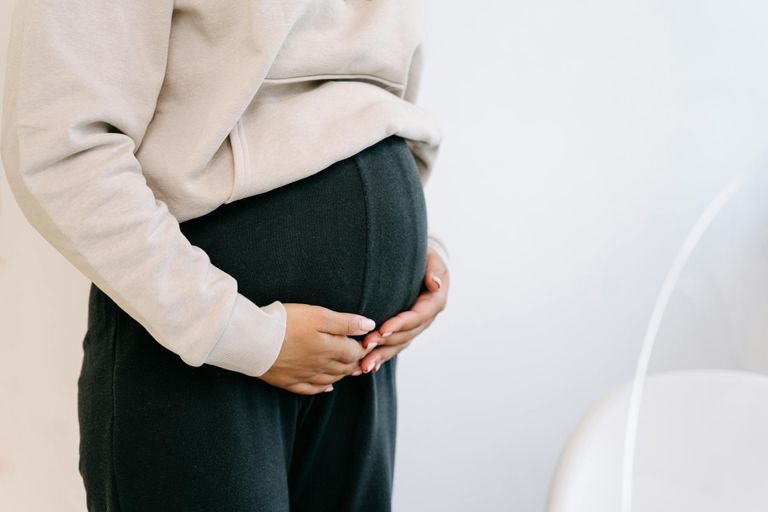
My blood pressure spiked, then crashed. The steady beeping of monitors became frantic alarms, and I watched the medical team exchange looks no patient ever wants to see.
“We need to get this baby out now,” Dr. Martinez said, urgent but steady.
I gripped Ryan’s hand so tightly I thought I might break his fingers. He kept whispering, “Stay with me, Julia. Stay with me. I can’t do this without you.”
For a moment, everything went black.
The pain disappeared. The noise faded. I felt like I was floating away. But somehow, I fought my way back—maybe because of Ryan’s voice, maybe because I refused to leave before meeting my baby.
When I woke up hours later, Ryan’s exhausted face hovered over me. His eyes were red from crying, his hair a mess.
“She’s here,” he whispered. “She’s perfect.”
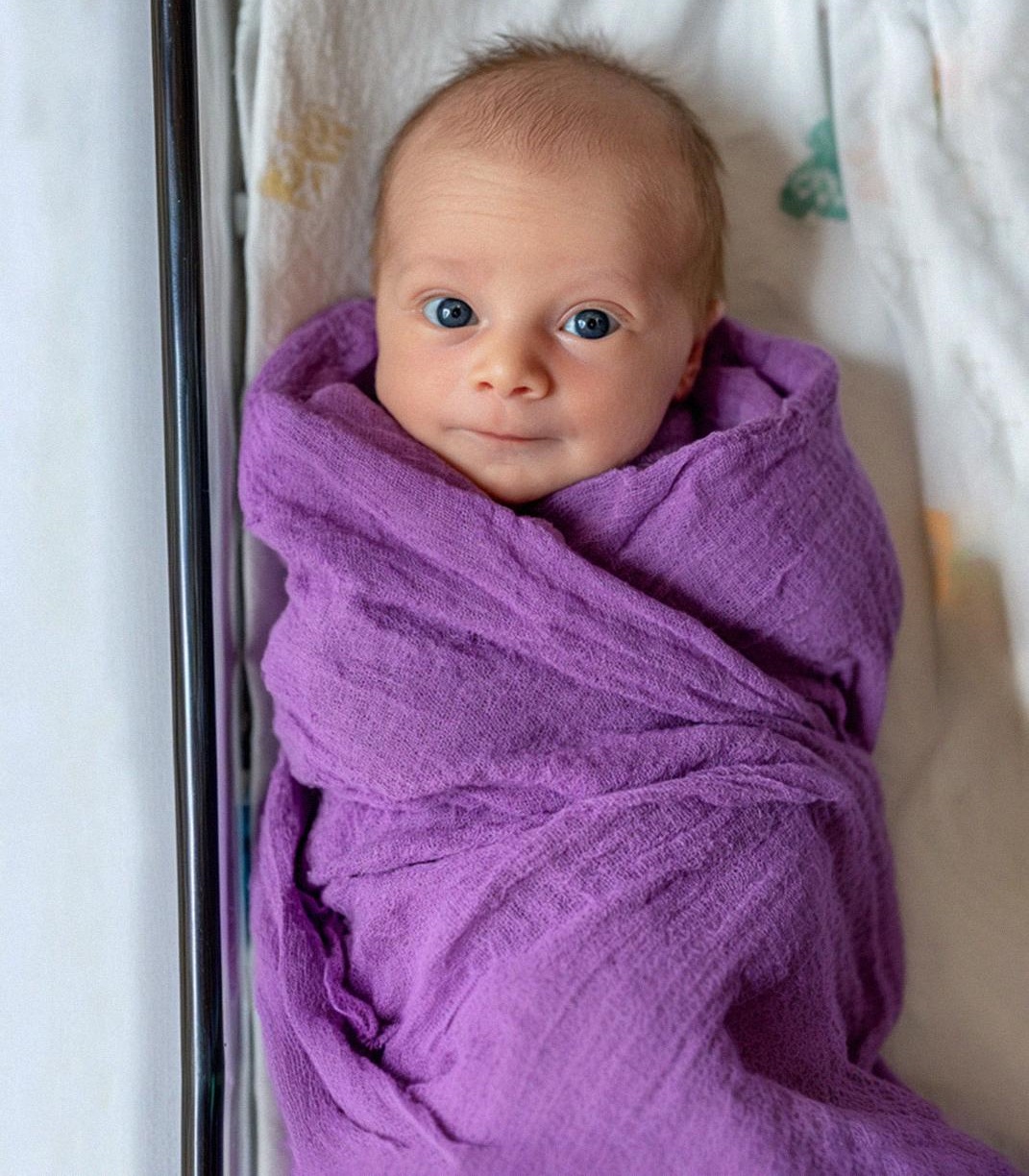
The nurse brought our daughter over—Lily.

She was seven pounds, two ounces of perfection.
“Do you want to hold her?” I asked Ryan.
He nodded, took her carefully… then something strange happened. His expression shifted. Joy drained from his face, replaced by something I couldn’t name. A shadow.
He stared at her in silence before quickly handing her back.
“She’s beautiful,” he said, but his voice was forced.
Over the next few days, his behavior got worse.
He stopped looking directly at Lily when he held her. He’d feed her, change her, but his eyes were always just above her head. Whenever I tried to take pictures, he’d find an excuse to leave the room.
The real red flag appeared about two weeks after we came home.
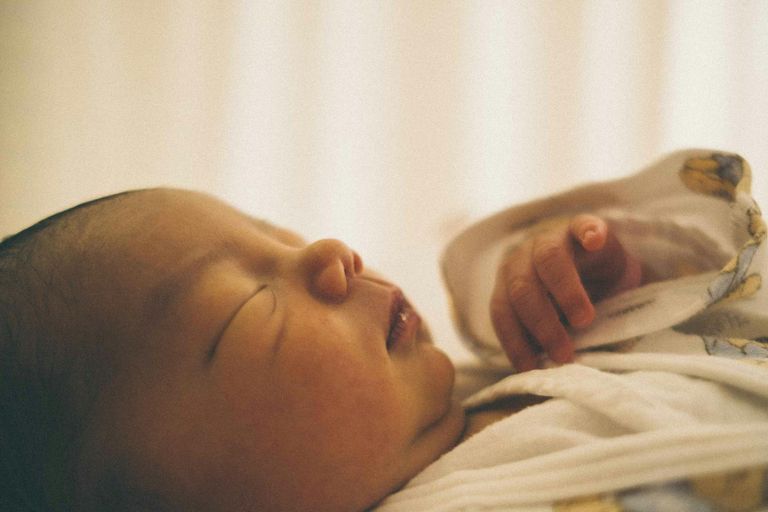
I woke up in the middle of the night to an empty bed and the sound of our front door closing quietly.
The first time, I thought nothing of it.
By the fifth night, I knew something was wrong.
“Ryan, where were you last night?” I asked over breakfast.
“Couldn’t sleep,” he muttered. “Went for a drive.”
That was the moment I decided: if he was sneaking out every night while I was home alone with our newborn, I deserved to know why.
That night, I pretended to fall asleep early. Just after midnight, I heard him slip out of bed and tiptoe through the hallway. When the door clicked shut, I jumped up, grabbed my keys, and snuck outside.
I followed his car from a distance.
He drove far beyond our neighborhood, past the city limits, until he pulled into the parking lot of a worn-down community building: Hope Recovery Center.
Lights glowed warmly through the windows. A few cars were scattered around.
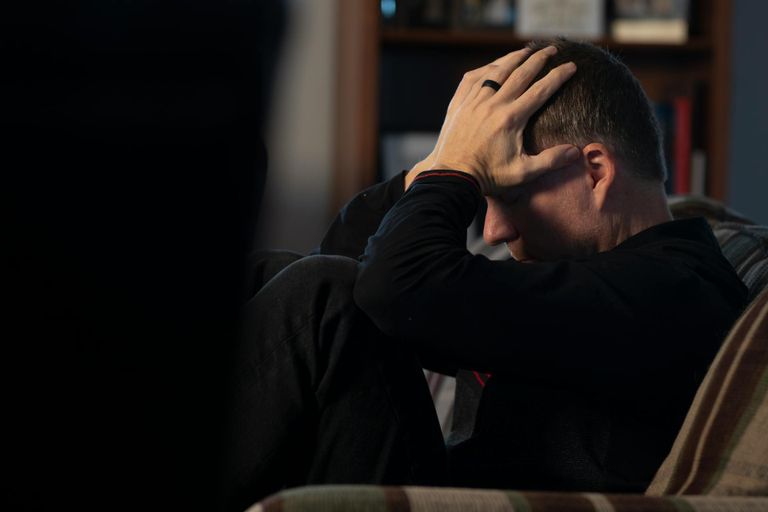
I watched him sit in his parked car for several minutes before finally getting out and walking inside.
My heart pounded. Was he sick? Addicted? Having an affair? What was this place?
I edged closer to an open window.
Inside, a dozen people sat in a circle.
And then I heard his voice.
“The hardest part,” he said, “is when you look at your kid and all you can think about is how you almost lost everything that matters.”
My breath caught. I moved closer and saw Ryan, head in his hands, shoulders shaking.
“I keep having these nightmares,” he continued. “I see Julia in pain. I see doctors rushing. I see myself holding Lily while my wife is dying next to me. I feel so angry and helpless that I can’t look at my daughter without remembering that moment.”
A woman in the group nodded. “Trauma affects everyone differently, Ryan. What you’re feeling is normal for partners who witness traumatic births.”
Ryan lifted his head, tears streaming.

“I love my wife. And I love my daughter. But every time I look at Lily, I see how close I came to losing Julia. I’m terrified that if I get too attached, something will happen again.”
The group leader leaned forward. “You’re not broken. You’re healing.”
I slid down the wall under the window and cried quietly. He wasn’t running from us. He was running from the fear of losing us.
I stayed until the meeting ended, then raced home so he wouldn’t know I’d followed him.
The next morning, while he was at work, I called the recovery center and asked if there was a way I could be involved. They invited me to a partner support group.
That Wednesday, I attended. I learned that what we were going through was textbook PTSD—birth trauma impacts both parents, sometimes in different ways.
When I got home that night, I was ready.
Ryan walked in later from his meeting and froze when he saw me awake, holding Lily.
“We need to talk,” I said gently.

His face drained of color. “Julia, I—”
“I followed you,” I said. “I know about the therapy. The trauma. The nightmares.”
He dropped into the chair like his legs had given out.
“I didn’t want you to worry,” he said. “You almost died. I couldn’t add my fears on top of everything you went through.”
I sat beside him, placing Lily in his arms.
“We’re a team,” I whispered. “We heal together.”
For the first time, he looked at Lily. Really looked at her.
“I was so scared of losing you both,” he said, touching her tiny hand.
“You don’t have to be scared alone anymore.”
Two months later, we’re in couples counseling. Ryan holds Lily every morning. He smiles at her now—eyes full of love instead of fear.
And every time I see them together, I know we’re going to be okay.
Sometimes the darkest nights lead to the brightest dawns.